

Why treat exercise as a medication?
Cardiovascular training, resistance training and recovery are essential to health. Read about benefits.
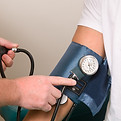
Post exercise Hypotension (can be dosed and tracked acutely)
Post exercise hypotension is the temporary drop in blood pressure that occurs after a single bout of exercise, often lowering systolic and diastolic pressure by about 5-20 mmHg. This effect can last for several hours and, in some cases, up to 24 hours. it happens because blood vessels stay more relaxed after exercise and overall vascular resistance decreases. This response is especially beneficial for individuals with high blood pressure and is one reason regular exercise is considered a powerful tool for long- term cardiovascular health.


Exercise and blood glucose management (can be dosed and tracked acutely)
Resistance training and aerobic exercise significantly improve blood glucose control in type 2 diabetes. A single session can acutely lower blood glucose by roughly 20-60mg/dL in some individuals. Exercise increases muscle glucose uptake. This occurs partly because exercise activates GLUT4 transporters, allowing glucose to enter working muscle independent of insulin, effectively bypassing insulin resistance. Overtime, regular training increases GLUT4 content and insulin sensitivity, making muscles more efficient at clearing glucose from the bloodstream. With consistent training, these effects can rival or exceed the glycemic improvements seen with some common diabetes medications, while also providing broader cardiovascular and metabolic benefits.

Vo2 max and Angiogenesis

Bone mineral density
Bone mineral density (BMD), can be measured through a DEXA scan. This scan can show bone strength and osteoporosis risk. After menopause, women can lose bone at a rate of 1-2% per year due to reduced estrogen, significatnly increasing fracture risk over time. Resistance training is one of the most effective ways to slow and partially reverse this process by placing mechanical stress on bone, which stimulates bone-forming cells and improves bone remodeling. Over time, consistent strength training can help maintain or modestly increase BMD, while also improving muscle mass and joint stability, reducing overall fall and fracture risk in individuals with osteoporosis or low bone density.

Cholesterol
Sarcopenia
V02 max is a measure of how efficiently the body uses oxygen during exercise and is one of the strongest indicators of cardiovascular fitness and longevity. Regular aerobic and high-intensity training can significantly improve vo2 max by increasing stroke volume, mitochondial density, and oxygen delivery to working muscles. A key adaptation behind this improvement is angiogenesis (the growth of new capillaries which enhances blood flow and oxygen exchange at the muscular level) over time, this leads to better endurance, faster recovery, and improved cardiovascular health, as the body becomes more efficient at delivering and utilizing oxygen during physical activity.
Sarcopenia is loss of muscle mass, strength, and function, which typically begins gradually after age 30 and accelerates with aging, especially after 60. This decline increases the risk of falls, frailty, and loss of independence. Resistance training is the most effective intervention to prevent and even partially reverse sarcopenia by stimulating muscle protein synthesis, improving neuromuscular function, and increasing strength and functional capacity. With consistent training and adequate protein intake, older adults can significantly slow muscle loss and regain strength over time.
Cholesterol levels are strongly influenced by regular exercise, particularly aerobic and resistance training. Consistent physical activity can lower LDL ("bad") cholesterol and triglycerides, while increasing HDL ("good") cholesterol, improving overall cardiovascular risk. Exercise enhances how the boy transports and clears lipids by improving enzyme activity involved in fat metabolism and increasing insulin sensitivity. Over time, these adaptations contribute to healthier blood vessel function, reduced arterial plaque progression, and a lower risk of heart disease.